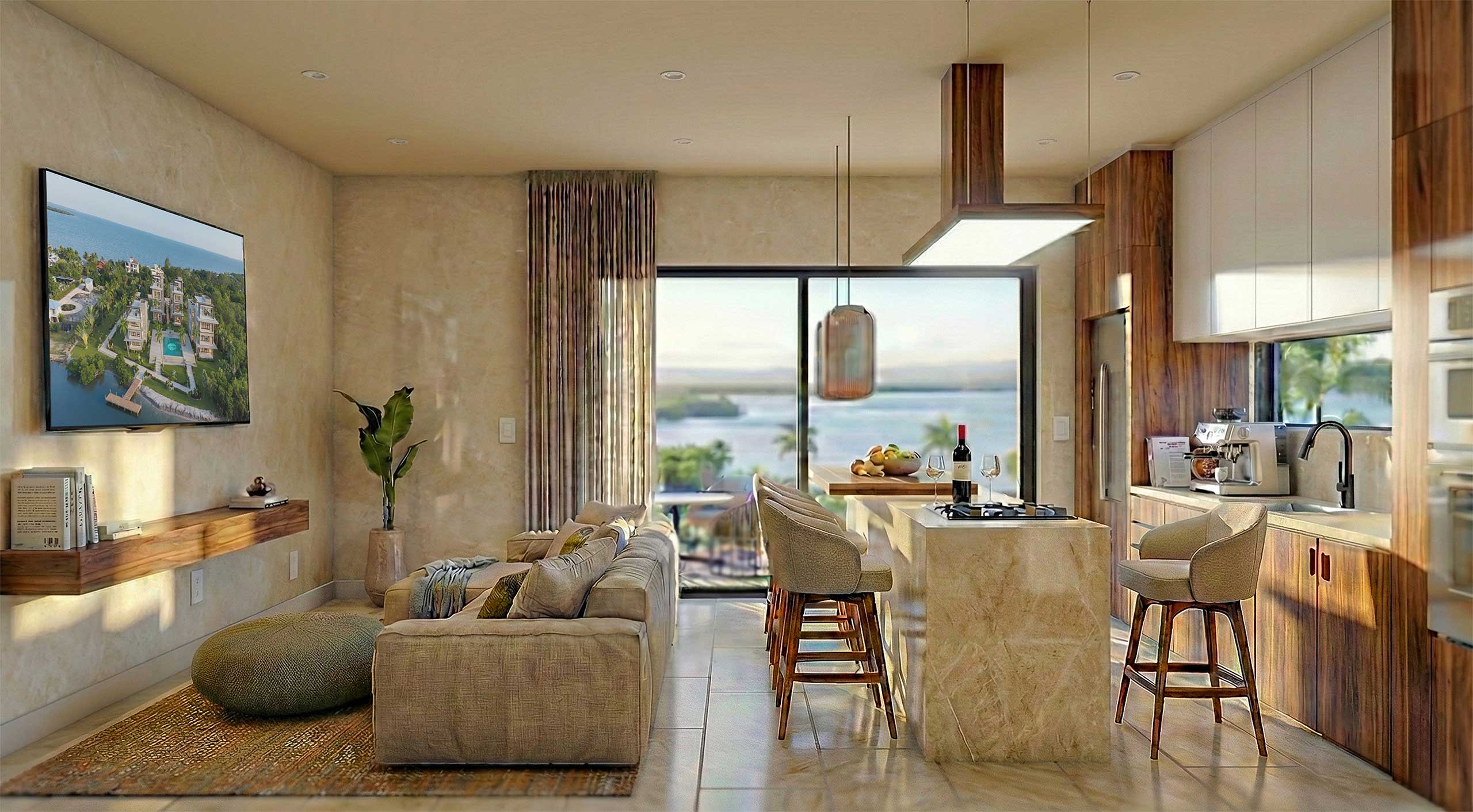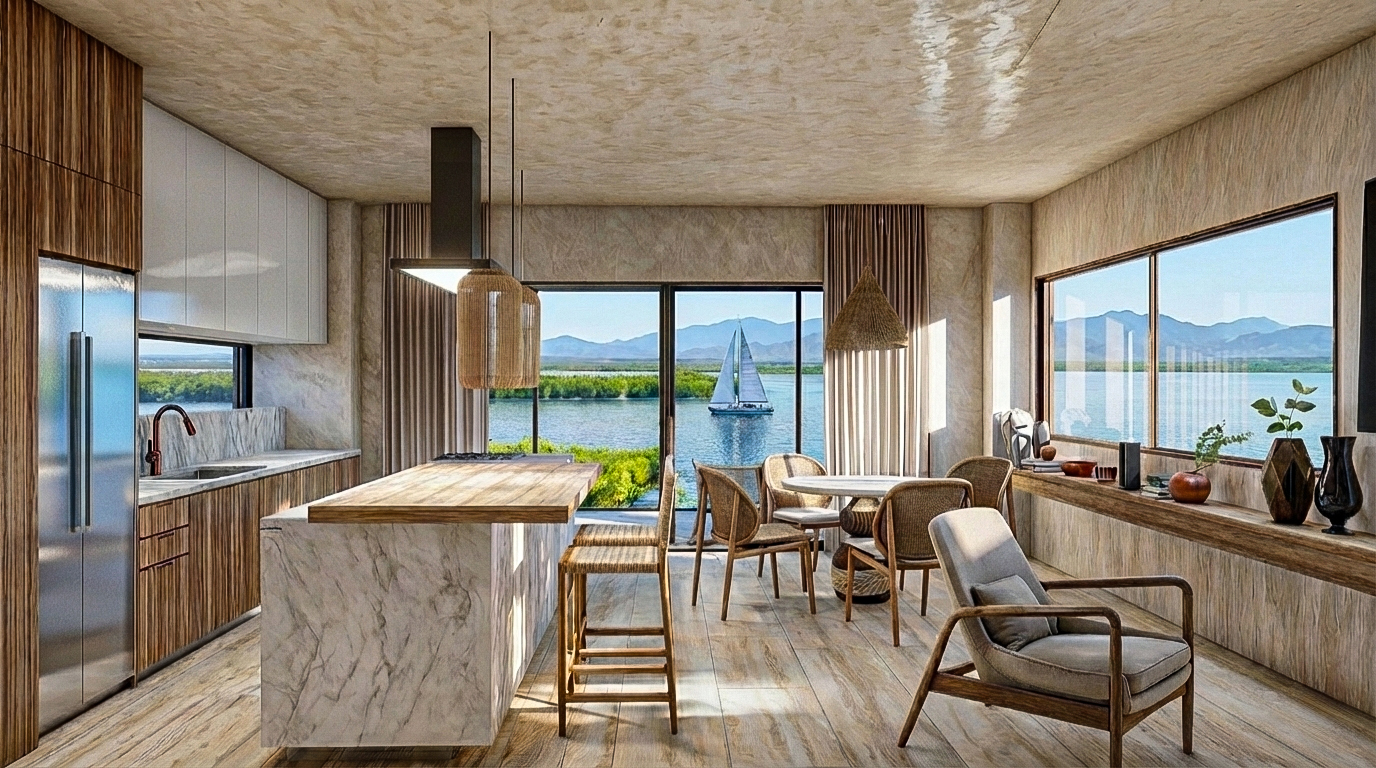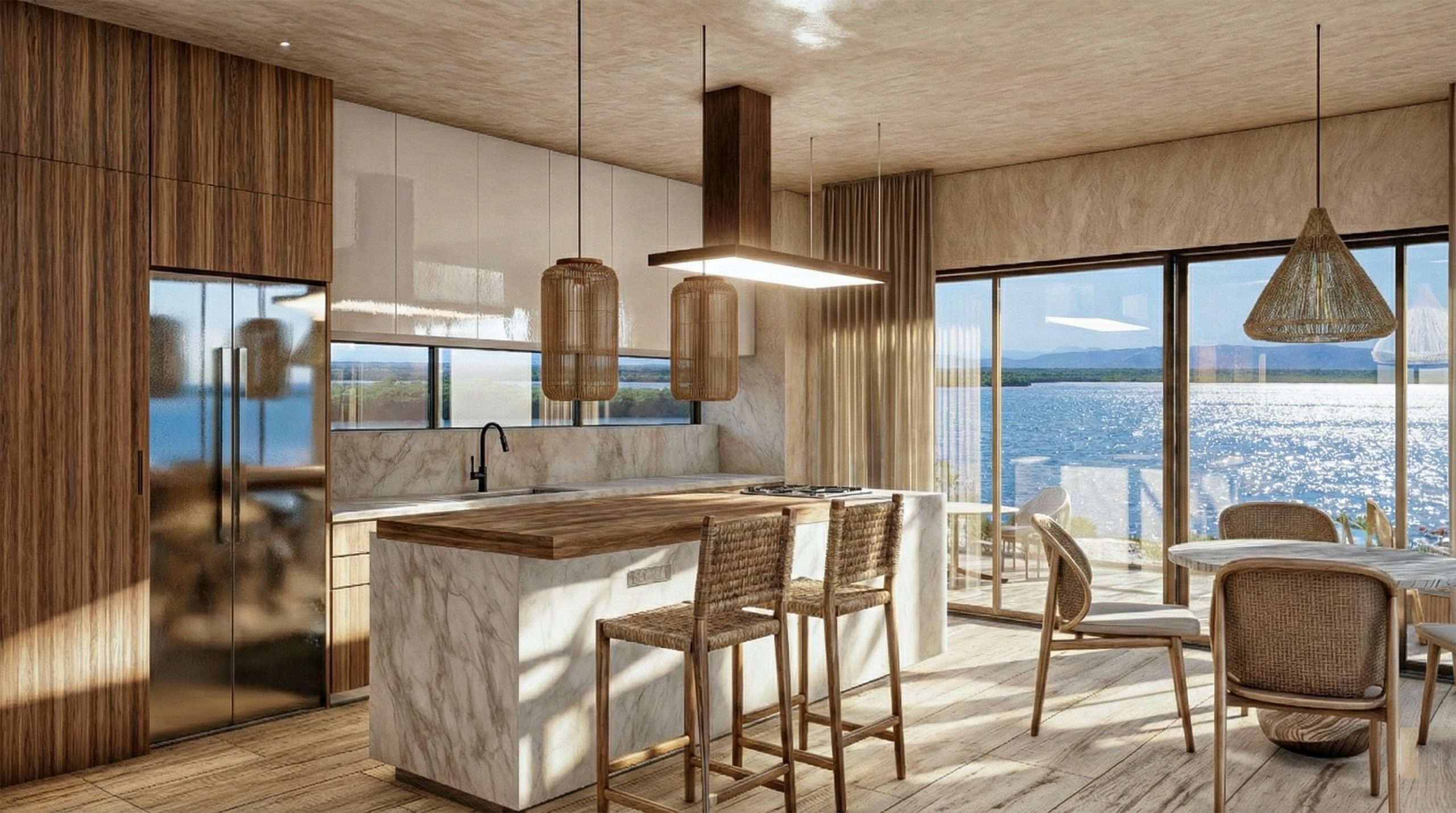
Unparalleled comfort with premium finishes and world class amenities in every residence.
Invest in your future. From rental income to financing and buying with your IRA.
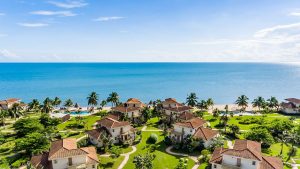
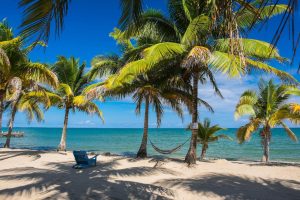
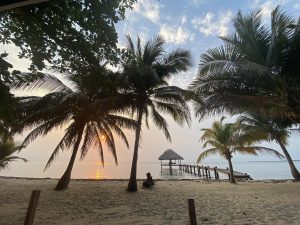
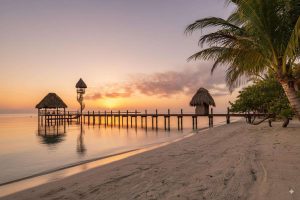
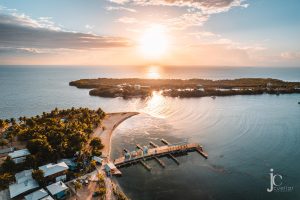
Direct access to pristine waters, countless islands and the worlds second largest barrier reef.
Built for safety and efficiency. solar power, advanced lighting, and intelligent 24/7 surveillance.
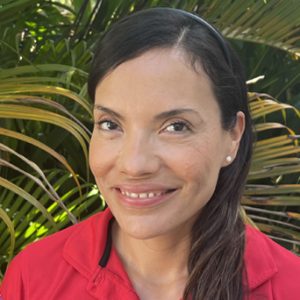
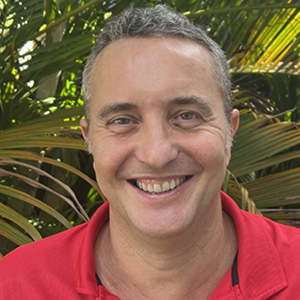
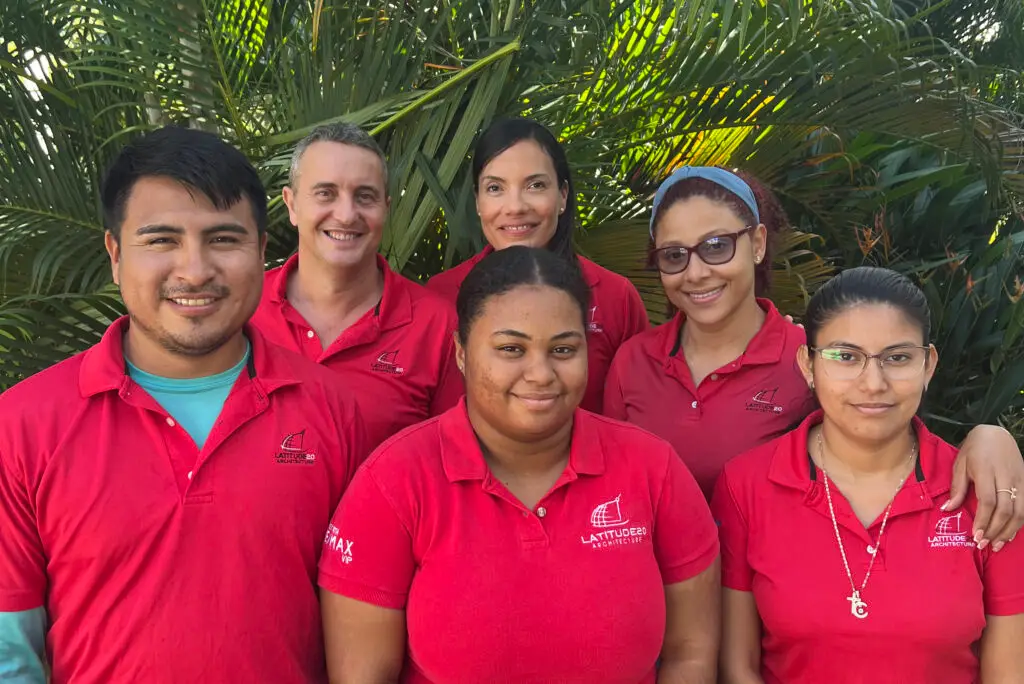
Meet Sonia Alvarez, head architect at Latitude 20 Architecture and creator of Baymen Chic — a style that blends refined elegance with Belize’s natural beauty. Every residence feels like home, where modern comfort meets Caribbean charm.
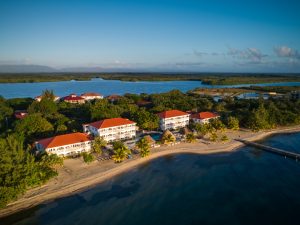
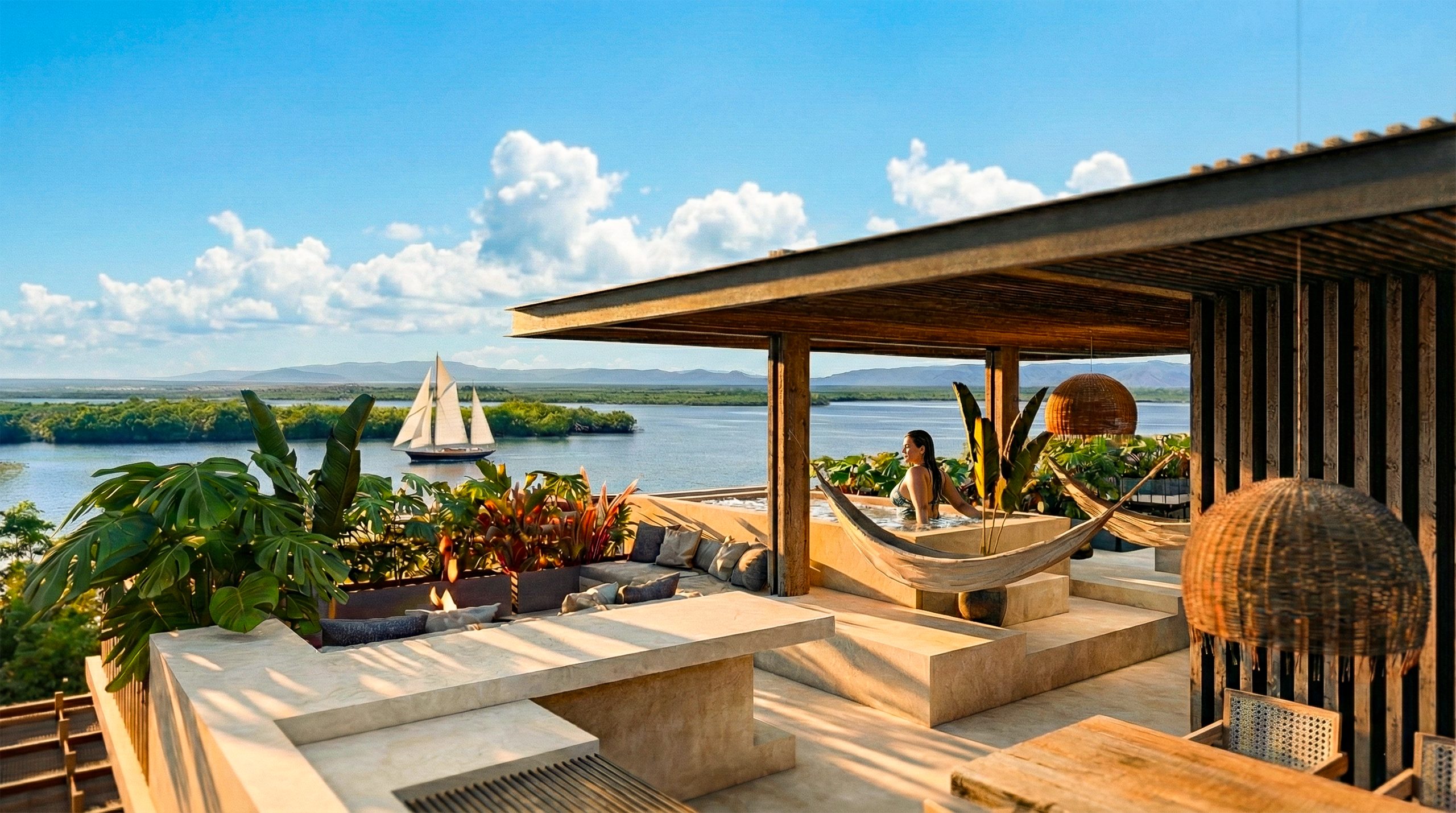
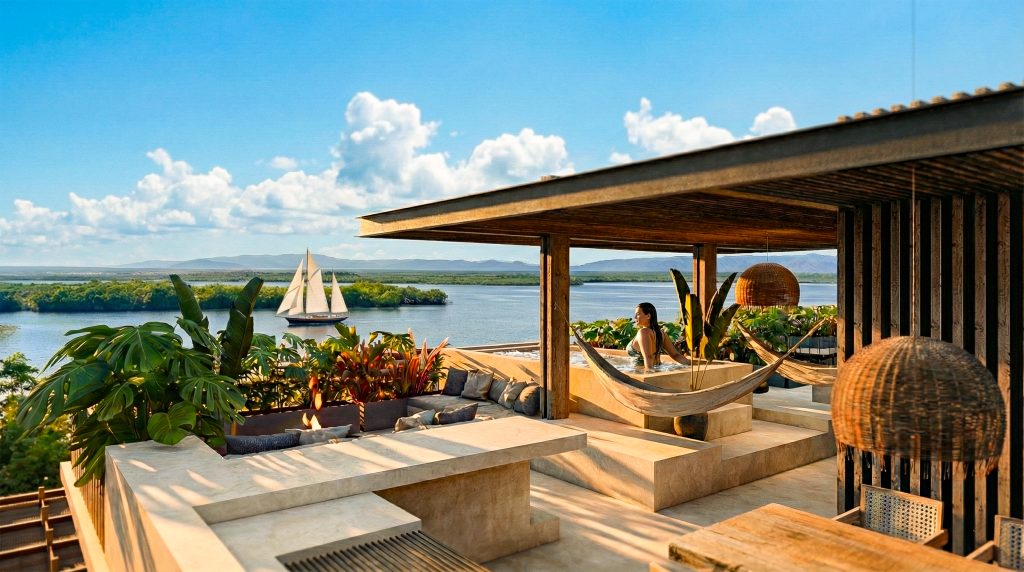
Experience unparalleled luxury on our exclusive rooftop terrace, where panoramic views of the Caribbean sea and lagoon meet the majestic Maya Mountains.
The Elements Belize Investment Analysis
Price
$0
Size
0 sqft
High Rate
$0
Low Rate
$0
Projected ROI
0%
Payback: 0 yrs
Based on English common law Belize is a stable democracy, with low taxes and incentives for foreign retirees, making property ownership straightforward for international buyers. With no capital gains or inheritance tax and a growing tourism economy, The Elements Belize represents an exceptional investment opportunity.
Jacuzzi
Pool
Rooftop Lounge
24/7 Security
Deck to Lagoon
Kayaks Available
King Size Beds
Hurricane-Proof Windows
Lead Architect at Latitude 20 Architecture
Sonia has been designing dream homes for over 20 years. She loves creating spaces that feel both luxurious and livable, always keeping Belize’s natural beauty front and center in her designs.
Development Director
Experienced real estate development professional with over 15 years in luxury Caribbean properties and international investment. Andrea oversees all aspects of The Elements Belize project, ensuring exceptional quality and investor returns.
Development Partner
Strategic development partner specializing in high-end residential projects across Central America and the Caribbean. With a proven track record in luxury developments, Latitude 20 Architecture brings extensive market knowledge and financial expertise to The Elements Belize.
Discover the unique culture and beauty of each locale.
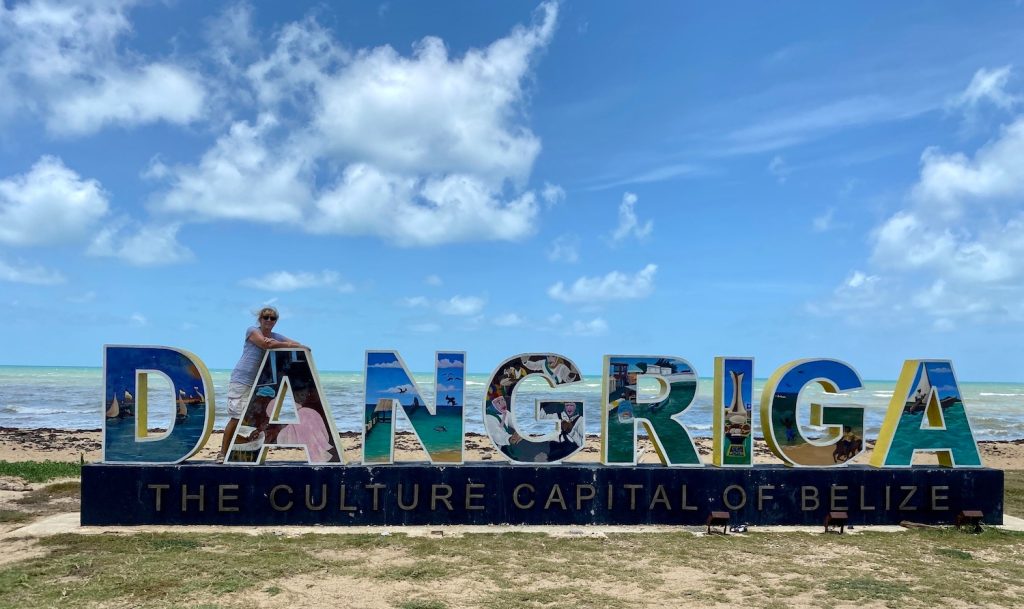
Dangriga (formerly Stann Creek Town) was founded in the early 19th century by the Garinagu / Garifuna people — who are descendants of African slaves and Carib/Arawak indigenous people. They came after being exiled from St. Vincent by the British. The town developed as a port and trading center for bananas, coconuts, timber, and fish. It plays a central role in preserving Garifuna culture in Belize (music, dance, drumming, cuisine, etc.).
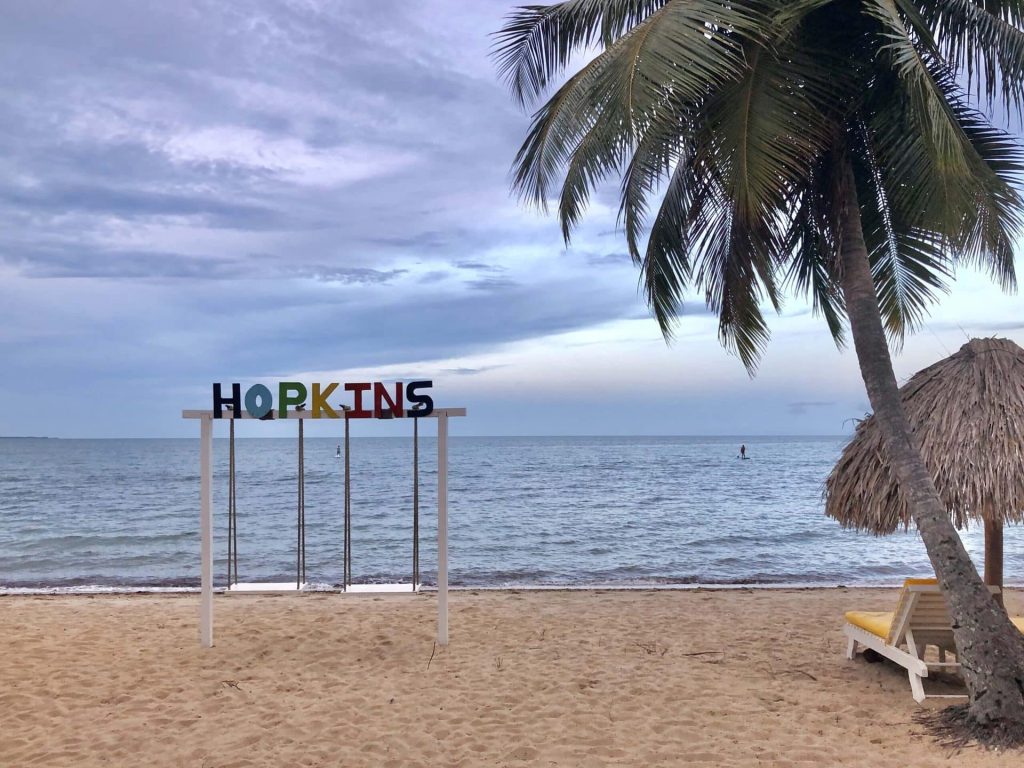
History: Founded in 1942 by Garifuna after a hurricane destroyed Newtown; strong cultural roots.
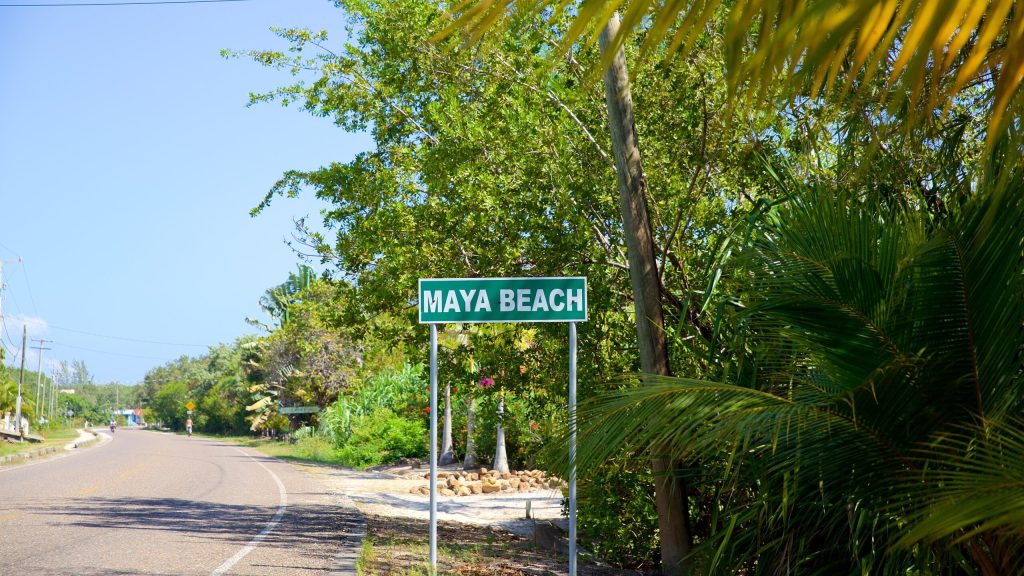
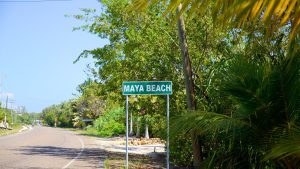
Maya Beach is a serene village located on the Placencia Peninsula in Belize, known for its quiet, clean beaches, charming resorts, and excellent dining options. It's a peaceful alternative to the busier Placencia Village, ideal for relaxation and a base for exploring inland attractions and the Belize Barrier Reef.
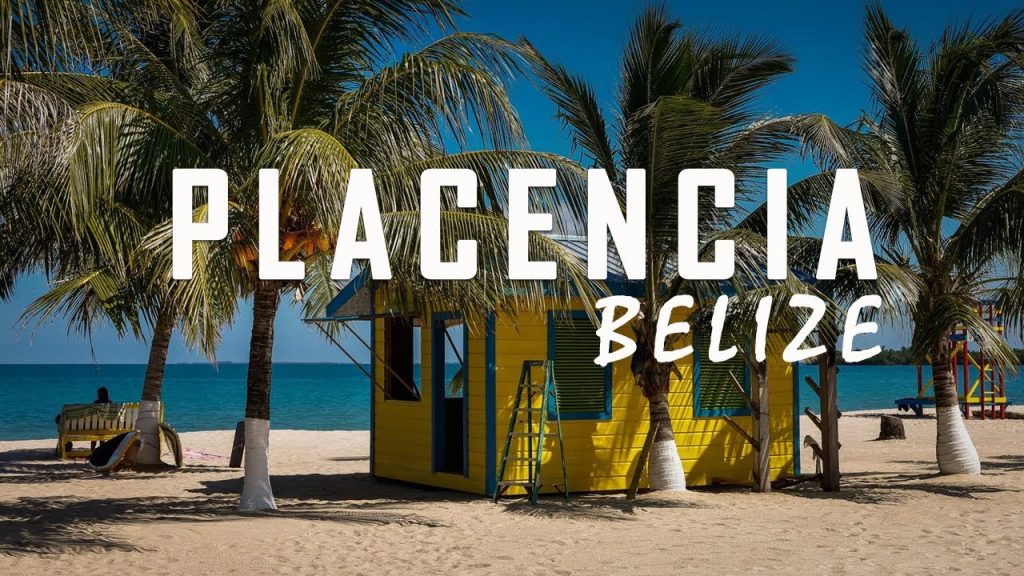
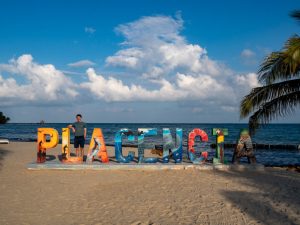
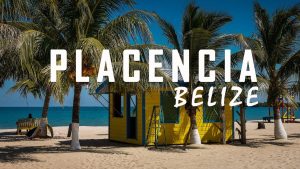
Placencia is a 16-mile-long peninsula and a charming coastal village located in the Stann Creek District of southern Belize. Known as "the caye you can drive to," it offers the laid-back atmosphere of a tropical island while remaining connected to the mainland.
History / Context:
Fun Facts:
Dangriga is often called the “Cultural Capital of Belize.”
The name “Dangriga” is a Garifuna term meaning “standing waters” (or in some accounts “sweet water was close at hand”).
Every year on November 19, Belize celebrates Garifuna Settlement Day, commemorating the arrival of the Garifuna to Belize; Dangriga is one of the major centers of the festival.
The Drums of Our Fathers monument in Dangriga is a well-known sculpture honoring Garifuna musical tradition (with drums & rattles etc.) as symbols of past-present-future.
Subtitle: The Cultural Heart of the Garifuna Description: A friendly fishing village known for its vibrant drumming, singing, and coastal charm.
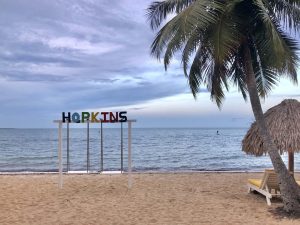
History (Paste into Main Editor): Hopkins is a coastal village widely known as the cultural center of the Garifuna population in Belize. The village’s origins are rooted in resilience. It was established in 1942 to replace a settlement further up the coast called “Newtown,” which was tragically devastated by a hurricane. Seeking safer ground, the community moved south to the current location. The village was named Hopkins in honor of Frederick Hopkins, a Roman Catholic bishop and apostolic vicar who was a beloved figure in the region and had perished in a boating accident nearby years prior.
For decades, Hopkins remained an isolated, self-sustaining community where life revolved around the sea and small-scale farming. The people of Hopkins are descendants of the Garinagu, an Afro-Indigenous people who arrived in Belize in the early 1800s after being exiled from St. Vincent by the British. Because of its isolation, Hopkins has preserved the Garifuna language, music, and traditions more intensely than almost anywhere else in the country. It is common to hear the rhythm of the Segunda and Primero drums echoing through the village in the evenings.
Today, Hopkins strikes a delicate balance between its traditional roots and a growing eco-tourism industry. While it has moved away from subsistence fishing as its sole economy, it has avoided the large-scale commercial development seen elsewhere. It retains the atmosphere of a sleepy, dusty-road village but now welcomes visitors who come to experience the authentic “Coast of Belize.” It serves as a perfect gateway to the nearby marine reserves and the Cockscomb Basin Wildlife Sanctuary, all while maintaining its title as the “Friendliest Village in Belize.”
Fun Facts (Paste into Fun Facts Field):
Friendliest Village: Hopkins was voted the “Friendliest Village in Belize” by Belize’s First Magazine.
A “New” Town: The village didn’t exist until 1942; it was built by survivors of the destroyed village of Newtown.
Drumming Capital: It is considered the drumming center of Belize; you can often find master drummers teaching the beat on the beach.
Garifuna Settlement Day: The November 19th celebrations here are legendary, featuring a dawn re-enactment of the arrival of the Garinagu in dugout canoes (dories).
Mango Heaven: The village hosts the popular Hopkins Mango Festival every June, celebrating the abundance of local mango varieties.
- Fun Facts: Known as “The Friendliest Village in Belize.” Divided into Northside and Southside. Famous for Garifuna dishes like hudut.
is a serene village located on the Placencia Peninsula in Belize, known for its quiet, clean beaches, charming resorts, and excellent dining options. It’s a peaceful alternative to the busier Placencia Village, ideal for relaxation and a base for exploring inland attractions and the Belize Barrier Reef.
1. Home to Belize's Only Bowling Alley
Surprisingly, this quiet beach town is home to Jaguar Lanes, the only bowling alley in the entire country of Belize. It serves as a popular social hub for locals and travelers looking for a break from the sun.
2. Historical Salt Works
Centuries before it became a vacation spot, the area around the Placencia Lagoon was a key node in ancient Maya trade networks. Archaeologists have unearthed Early Classic salt works in the region, where Maya communities produced salt to trade with inland cities.
3. A "Million Dollar Sidewalk"
While neighboring Placencia Village is famous for having the "world's narrowest main street" (a sidewalk), Maya Beach recently gained its own version: a 2.08-mile bike and pedestrian path. Completed around 2025, this $1.3 million project connects Maya Beach to the neighboring village of Seine Bight, improving safety and mobility for tourists and residents alike.
4. Award-Winning Culinary Scene
Despite its small size, Maya Beach is a culinary heavyweight. The Maya Beach Hotel Bistro has been named "Restaurant of the Year" by the Belize Tourism Board multiple times, known particularly for its creative use of fresh seafood and local ingredients.
5. Manatee and Dolphin Haven
The waters of the Placencia Lagoon, which borders the western side of Maya Beach, are a critical breeding and feeding ground for rare and endangered West Indian manatees, as well as dolphins and saltwater crocodiles.
6. Melting Pot of Names
The name "Placencia" is actually a distortion of Punta Placentia, given by Spanish explorers in the 1800s, which translates to "Point Pleasant". Today, Maya Beach is part of a cultural tapestry that includes Creole, Garifuna, and modern Maya communities
Placencia’s history spans thousands of years, evolving from an ancient salt-trading hub for the Maya to a resilient modern tourism destination.
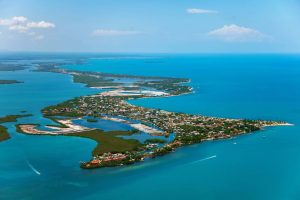
The World's Smallest Main Street: The village features a 4,000-foot-long, 4-foot-wide concrete sidewalk that serves as its primary thoroughfare, lined with colorful shops, local art galleries, and restaurants.
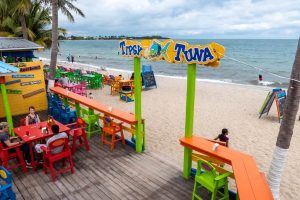
Prime Beaches: Placencia boasts some of the best mainland beaches in Belize, with soft golden sand and calm Caribbean waters.
Marine Adventures: It serves as a gateway to the southern Belize Barrier Reef. Travelers visit for world-class fly fishing, scuba diving, and snorkeling at nearby sites like Laughing Bird Caye and Silk Caye.
Whale Shark Encounters: From March to June, particularly around the full moon, Gladden Split offers the rare opportunity to swim with docile whale sharks.
Mainland Access: Unlike Belize’s island cayes, Placencia allows for easy day trips to jungle excursions, including the Cockscomb Basin Wildlife Sanctuary (jaguar preserve), Monkey River wildlife tours, and ancient Maya ruins like Xunantunich.
Discover that perfect unit within our premium collection that suits both your living desires and investment goals.
Your journey to exclusive ownership begins with a 20% down payment as initial deposit.
Ease into your investment with 20% Down | 80% divided into 8 quarterly installments of 10% (During Construction) | last 10% at completion.
Benefit from the vibrant rental market or enjoy the serenity of your own tropical dwelling.